
I stand in the middle of a three way intersection, and I dare pedestrians and motorists to come full stop for a moment. Queer, Pagan, Punk. These three words each represent such a broad range of ideas and points of view, that it's tricky to take any of them up as an "identity." I do so only with the understanding that all identities, like all of life, are fluid. The glue comes off a label the first time it rains.
You can try to follow the Wiccan rede, "Eight words the Wiccan rede fulfil, An' it harm none, do what ye will," 1 but sometimes our instincts insist that we throw bottles at a line of riot cops and bricks through the windows of government offices, that we set fire in the streets and block traffic on highways when harm is being done to our sisters and brothers and to our beautiful Mother. As Doreen Valiente wrote of the rede, "This does not mean, however, that witches are pacifists. They say that to allow wrong to flourish unchecked is not 'harming none.' On the contrary, it is harming everybody." 2 I suppose that some would say rioting in the streets could be characterized as very punk. We lace up our steel-toed boots and march alongside the hippies who chant "No violence, no violence." We're fighting for the same goals, against the same enemies, but we have different approaches.
What place do queer people have in paganism? People may point out that many forms of paganism celebrate the male-female dualism found in reproductive sexuality and involve worship of a goddess and god, and they may wonder how queers fit into that scheme. They may have forgotten that these two aspects represent two aspects of the creative spirit of each person. Queer people often maintain a healthier balance between their masculine and feminine sides than straight people do, therefore they have a rare opportunity to stand more easily in tune with themselves and the universe. Queer vision takes in more than one side of a story, allowing empathy with all genders. Native American cultures have long recognized this; queers in their communities held special positions and were often considered powerful with magic because of their two-spirit nature.

The crossroads of queer, pagan and punk show up in
western history when you dig up a few etymological roots. The word "faerie"
means enchantment, and goes back to the Latin root "fata," or fate. The
archaic English word "fay" meant enchanted or bewitched, and the state of
enchantment was "fayerie." The aboriginal people of what are now called the
British Isles may have been the original elves or fairies, The Little
People, small and dark, who lived in barrows and huts in the earth roofed
over with green turf during the Neolithic and Bronze Ages. These people
were skilled in metalwork, herded cattle and horses, and fought guerrilla
warfare against the invading Celts, retreating into the forests and
secretly keeping up their pagan traditions.
During the middle ages
until the seventeenth century, the same people who were called witches were
also called fairies. During the witch hunts of Europe and the British
Isles, accused witches often claimed they were taught their witch arts by
fairies. In the 16th and 17th centuries, witches and fairies were ascribed
the same talents; spellwork, healing, divination, etc. Diana, goddess of
witches, was also called "Queen of Faerie."
Today there are few gay men
who haven't been called fairies and faggots by dumb-ass bullies. Many fags,
some of whom are punks and/or pagan, have taken up the name fairy with
pride and understanding for its ancient origins and meanings. I myself have
been referred to as a "little elf" by many people. I love the sense of
mischief and mystery that title bestows. On one occasion I was called a
"faggot-girl" by a group of men who were physically attacking me and my
witchy girlfriend in a parking lot. "Faggots", as many of you know, were
the kindling used to burn witches, heretics and queers during The Burning
Times. The word comes from "fagus," Latin for beech tree, and the Greek
word 'phagos' meaning fruit/nut tree, especially oak trees, which have long
been sacred to pagans.
Gay men were once called PUNKS in Britain. Until recent times in Yorkshire, a festival was annually held on the Night of All Souls. Local people themselves call the festival "Punky Night" or "Spunky Night," and some participants are called "punks."3
Queer. The word means weird, freaky, out of the ordinary. Not part of the establishment, not the status quo. It was adopted by the many communities it included because of its inclusive nature, and serves as an umbrella term for lesbians, gays, bisexuals, and transgendered people. A few years ago this word did not include the conservative, assimilationist GWM communities, since they themselves did not adopt the word and continued to refer to themselves as Gay. Now it's become a fairly widely accepted term in conversation and the press, carrying less of its original sting and power to shock. I still think the word works in a way no other name for queers ever has. An out queer challanges and threatens the very foundations of western society.
Punks, pagans and queers in this society are all outcasts, feared and bitterly hated by many, often discarded by their families. As queers, we might be fired from jobs, have our kids taken away from us, be evicted from or denied housing, be kept from visiting our loved ones when they're in hospital, we might verbally abused, driven to suicide, or beaten to death because of whom we love and fuck.
The need to focus international attention to the plight of sexual minorities and people with AIDS is evident from reports of human rights violations occurring in Asia, Europe, the Middle East, South and Central America, and North America. The long list of abuses that have been brought to our attention to date includes murder as part of "social cleansing," electroshock "therapy," incarceration, forced psychiatric "treatment," torture, arbitrary arrest, forced marriage, immigration restrictions, and the revocation of parental rights.4
As the leaders of Amerikkka's right-wing, fundamentalist movements (including the TVC, the OCA and the Christian Coalition) have been whipping up hatred for queers the crime-rate of queer-bashing has been on the rise in this country. There's always a backlash whenever a group makes any progress in fighting for it's rights.

Many pagan parents have to face the very real danger of having the custody of their children taken from them as well.
Pagan parents have often been threatened with the loss of their children. At the time of the initial decision of the city zoning board in Florida in Iron Oak's favor, there were four pending custody cases reported in Florida involving Pagan parents. In Ohio and Rhode Island, two women had their foster children removed shortly after it was learned that they were Pagan. The 'public stigma' argument the Virginia Supreme Court recently used to relieve lesbian Sharon Bottoms of her son lends an even more chilling tone to to such cases: will other courts, following Virginia's lead, soon use the same argument to justify the removal of children from Pagan parents?5
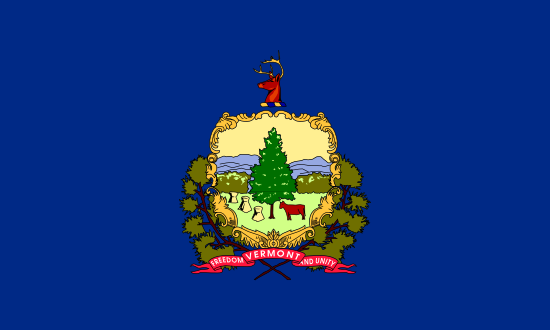
This danger is compounded by the fact that Pagan hand-fastings and gay partnerships are not considered to be real marriages in the U.S., with the exception of the state of Vermont, where "Civil Unions" offer a legal union to queer couples parallel to heterosexual "marriages". President Clinton, who courted the "pink vote" in 1992, subsequently signed the Defense of Marriage Act, an unconstitutional act pre-empting the success of Hawaii's court decision (dec '96) to legalize same-sex marriages by allowing states to refuse to recognize same-sex marriages from any other states. Some 30 other states have been working on similar state-wide anti-gay-marriage bills. Did you realize that hetero husbands and wives receive over 170 benefits through their legal marriages? I'm no big fan of the institution of marriage as it's played out by the herd - oops! - majority, tending to favor polyamory and the pagan hand-fasting concept (commitment for one year), but if straight, non-pagan married folks are the only ones offered these tax breaks, loan deals, hospital visitation rights, child custody, etc., I think there's something wrong with this picture.
As pagans, we suffer a constant barrage of misinformation and hateful propaganda about pagans and witches, depictions of us as blood-thirsty Satanists and child-killers or pathetic new-agey fluff-bunnies. We have our own Holocaust, The Burning Times, which most people know little or nothing about. The word HOLOCAUST literally means burnt whole.The attitudes towards Pagans which these lies reinforce DO end up harming people. For examples of some recent attacks on pagans, follow some of these pagan links.
As punks, we have to deal with society lumping us all together with the neo-nazi, racist skin-heads. (I've turned the attitutude of many a hostile group of people around who were threatening to attack me because they mistook me for a racist skinhead because I was sporting a five-color mohawk and Docs. They obviously didn't know how to differentiate between an anarchist punk and a nazi skin. By the end of a conversation with me we'd be joking and chatting.) Punks generally believe in individual freedom and being who you are, not who you're expected to be, regardless of how hard it might be. There are thousands and thousands of punks (of every ethnic background) fighting against racism, sexism, and homophobia, the three game rules of the asinine dominant culture.
I'm not done yet! To read the
rest,
->->->continue to PAGE
TWO->->->
1. The Wiccan Rede. Wasn't this written in the seventies?
What's with the fanciful language?
2. An ABC
of Witchcraft Phoenix, 1973, page xvi.
3.
Witchcraft and the Gay Counterculture, by Arthur Evans. Fag Rag Books,
1978.
4. The International Gay and Lesbian
Human Rights
Commission (IGLHRC).
5. Sophia X.
Pharou, "Why Pagans Need to Come Out of the Broom-Closet"
![]() |
Witches in Media A colorful KVETCH about how media portray witches and pagans, and the effects of these portrayals. |
![]() |
REVIEWS A look at a few movies and tv shows with portrayals of witches, including The X Files, Sabrina the Teenage Witch, and The Wizard of Oz. |
![]() |
The Craft Check out this review of a teeny-bopper witch movie which packs a big, woman-hatin' wallop. |
![]() |
Back to The GROVE |
All Artwork ©ZANNEROCKHOPPER1999
For illustrations contact zanne@cea.edu.